
It's Leo: the future

BEING IN THE presence of young people can have a number of impacts on one, especially someone in the latter stages of their sixth decade.
The well-known and much-loved racing photographer Pat Healy, as well as Goffs director and leading auctioneer Nick Nugent, use the phrase that “we are on the back nine now”.
My life experiences tell me to dismiss this thought, and embrace each and every day. My late father believed in living every day – he would wryly add, “and one day you’ll wake up dead!”
Many will look at young people today and perhaps rue wasted time, or be jealous of their youth and vibrance. I try to look at them in a very different way.
Yes, I recall what I was like at that age, and realise that today’s younger generations have more chances than we did, but also face challenges that we could never have imagined.
Recent weeks have seen graduates of many educational institutes and organisations honoured for their work and successes. In Ireland we have witnessed a number of ceremonies held to celebrate young men and women who are about to embark on new journeys into the unknown, and before them they have an array of opportunities to work, travel and develop careers in racing and bloodstock.
In recent years, I was invited by the Irish National Stud’s CEO Cathal Beale, and the farm’s head of education Anne Channon, to act as master of ceremonies for the class graduating from their world-renowned management course.
Started more than half a century ago by the late Michael Osborne, the six-month course has been an important starting point in the careers of many of the current day leaders and influencers in the business, and that is on a global scale.
There is not an area of the world where horses are bred, raced or sold that someone who completed the Irish National Stud Thoroughbred Breeding Management Course is not installed, and since its inception representatives from 36 different countries have partaken of the chance to study.
This year two new nations were represented for the first time with students from Colombia and Mexico.
It is apt that Beale was himself the star of his year at Tully, home to the Irish National Stud in Kildare, and now he oversees 20 and more students who descend on the farm each January.
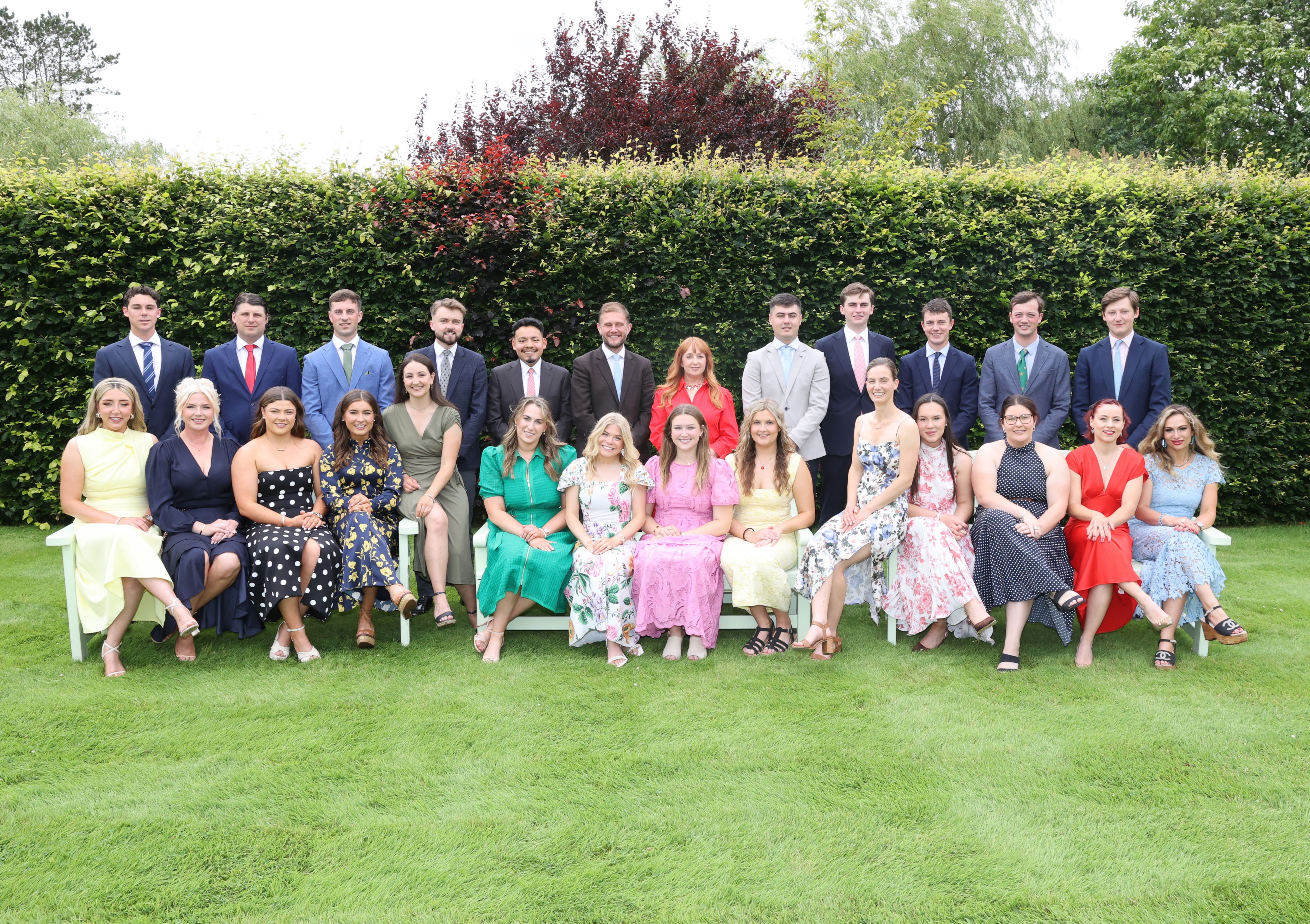
This year, 24 students graduated on the eve of the Irish Derby weekend, some with distinction, and two were medal winners.
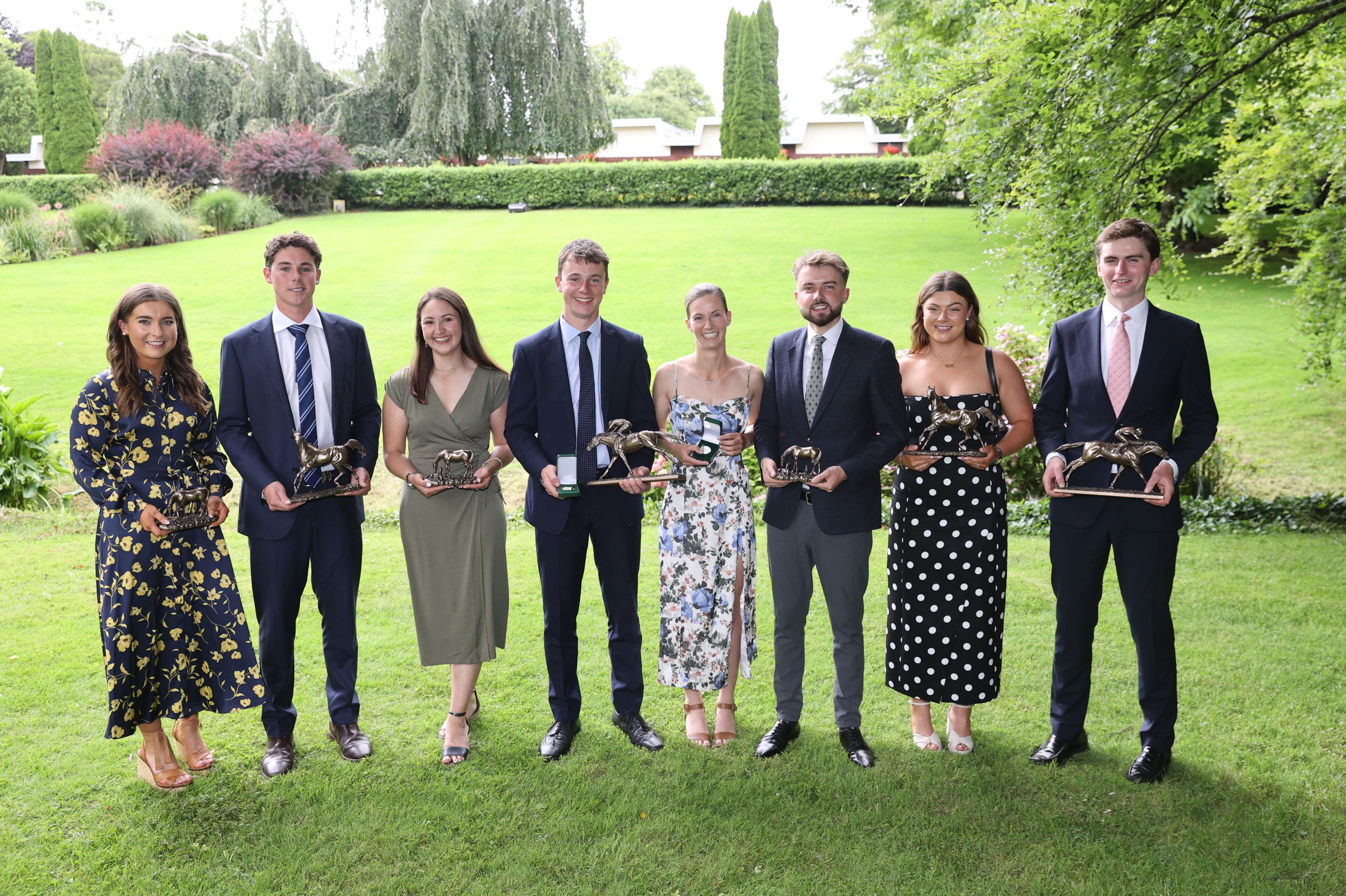
The coveted gold and silver medals were awarded to Ireland’s Luke O’Neill, and France’s Chloe de Salvador, while there were a number of individual awards, some of them appropriately presented by a member of the Irish National Stud board, Meta Osborne. As her name might suggest, she is one of three high-profile industry offspring of Michael.
During the course, different lecturers are brought in to speak to the students, myself included. I also set the class the task of writing a short essay – the best wins a cash prize, a bronze Blue Hen trophy, and get their work published in The Irish Field.
Tara Carroll was the recipient of this year’s award, though she won by a nose in a blanket finish from five or six others.
Gold medal winner Luke O’Neill is a young man about whom you will hear a great deal more, but you have to wait two more years until he is unleashed on the world. In the intervening time he will be one of the 12 Godolphin Flying Start students, and one of three from the 2025 Irish National Stud class to make it on to that prestigious programme.
A spokesperson for his year, O’Neill also won the CEO Exam Award, set by Beale, and did so with an almost flawless score.
This achievement had Beale in awe of the student’s knowledge, though Luke has a pedigree to suggest he would do well.
He is a son of Eoghan and Melissa O’Neill, and what proud parents they were at the ceremony.
I wish someone had captured the look on Eoghan’s face when it was announced that Luke won the CEO’s prize, and the smile was even bigger – if that was possible – when it dawned that his son would be getting the highest honour.
There was an industry who’s who among the parents of the students, and plenty who did not come from a background steeped in horses.
Two of the graduates were daughters of fathers who had gone through the gates at Tully in the past.
Áine O’Rourke’s dad Garrett heads up Juddmonte in the US, while Claire Dilger’s late father Gerry was a legend in Kentucky, and in his name a number of this year’s class benefited from scholarships.
I was intrigued when I saw one member of the class from Ireland was Elle Sorensen, not an everyday Irish family name like Murphy or O’Connor. A love of ponies led Sorensen to studying equine science at the University of Limerick, and working in a range of places, from Michael Hourigan’s training yard to Hunter Valley Farm in the US, and then back in County Limerick at Peter Molony’s Rathmore Stud.
As each graduate was presented with their certificate, I tried to kill the silence with some quirky observation about the student, gleaned from their biography or something I learned about them.
When I called Sorensen to come up, I went off-piste and mentioned the un-Irishness of her name, and that my only experience of meeting someone of the same surname was half a century earlier.
Given that Wimbledon has just passed, the story appropriately involved tennis. As a reasonably able player in the days when I was a member of Mallow Lawn Tennis and Croquet Club, I was persuaded by my late mother Sheila, herself a decent junior player, to enter the Munster Championships at under-16 age group.
I headed to Limerick to play my opening game, not expecting much, but hoping to gain from the experience.
What should have been a learning experience turned into an embarrassment. Drawn against a player called Sean Sorensen, later to become Ireland’s number one male player, I left the court with my racket practically untouched.
The humbling score line was 6-0, 6-0, and I don’t believe I even got to any of Sorensen’s serves, let alone return one!
When the graduation ceremony ended, Elle’s father Mark came up to me to reveal that Sean is his brother, and what fun he was going to have telling him the story!
Give the Irish Derby day a break!
Just four weeks on from writing my last diary, in the immediate aftermath of Royal Ascot, I sat and wondered what could have happened in the meanwhile to make for interesting copy.
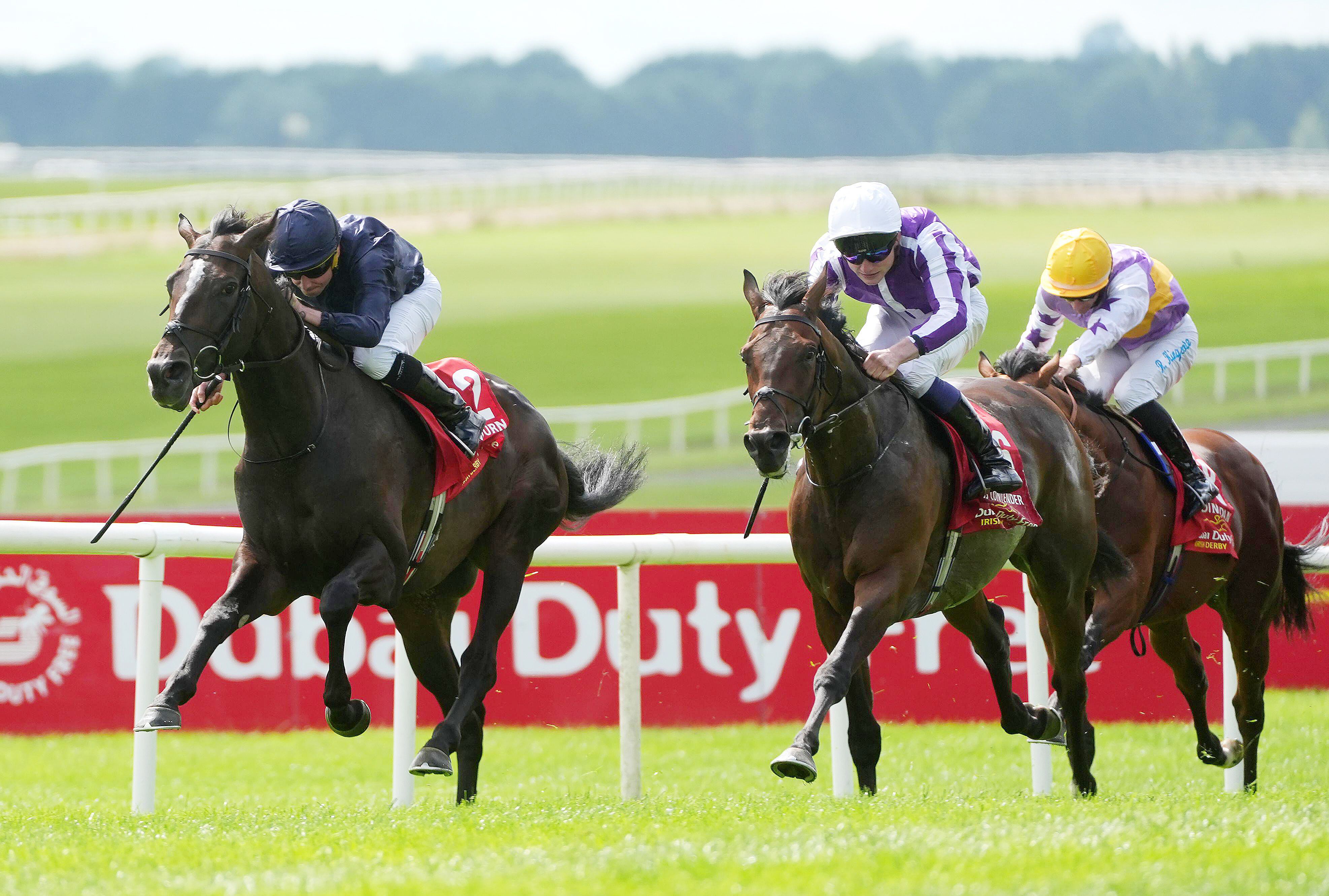
From a racing perspective we saw the 160th running of the Irish Derby at The Curragh, a race which attracted the first three home at Epsom.
There was little more that The Curragh executive could have done in terms of ensuring quality starters, and it is a long time since we had winners of the French and British Derbies take each other on, largely thanks to the shortening of the French Classic to 1m2f.
Well, you cannot please everyone, and some people you will never please. I was disheartened – and that is putting it mildly – to read comments on social media made by people who earn their living from race punditry, that this was an abysmal race in terms of quality.
They further bemoaned the fact that the supporting card consisted of six handicaps and two Listed races. The last pair attracted 11 and eight starters, the Irish Derby had a field of ten with three challengers from across the Irish Sea, five of the handicaps averaged 13 runners, and 25 lined up for the concluding race on the card.
The influence of the World Pool was at play, and to attract betting from overseas you need to have competitive fields.
This was achieved, and that success benefits the racecourse significantly. I read one figure that suggested to the tune of €500,000. Those who bemoan the lack of a Pattern race for juveniles on the day have a right to their view, but the two that were run the previous afternoon attracted five and six-runner fields – not in themselves betting propositions.
It is easy to knock, to criticise and to want something different. Everyone has a point of view, and one that is often overlooked is the business model for racecourses.
The Curragh has a duty to put on the best racing, to be a showcase for the sport in Ireland, but it also has to make money.
That said, perhaps racecourses, and I don’t just mean The Curragh, should make an effort to explain the challenges they face.
On a simplistic level, the man and woman on the street believes that the courses are simply lining their pockets with income from television rights.
These are substantial, have no doubt, but the work that goes on 52 weeks of a year behind the scenes could be better explained by the racecourses and their representative body.
There are two sides to every story.
The Coughlans honoured in the Hall Of Fame
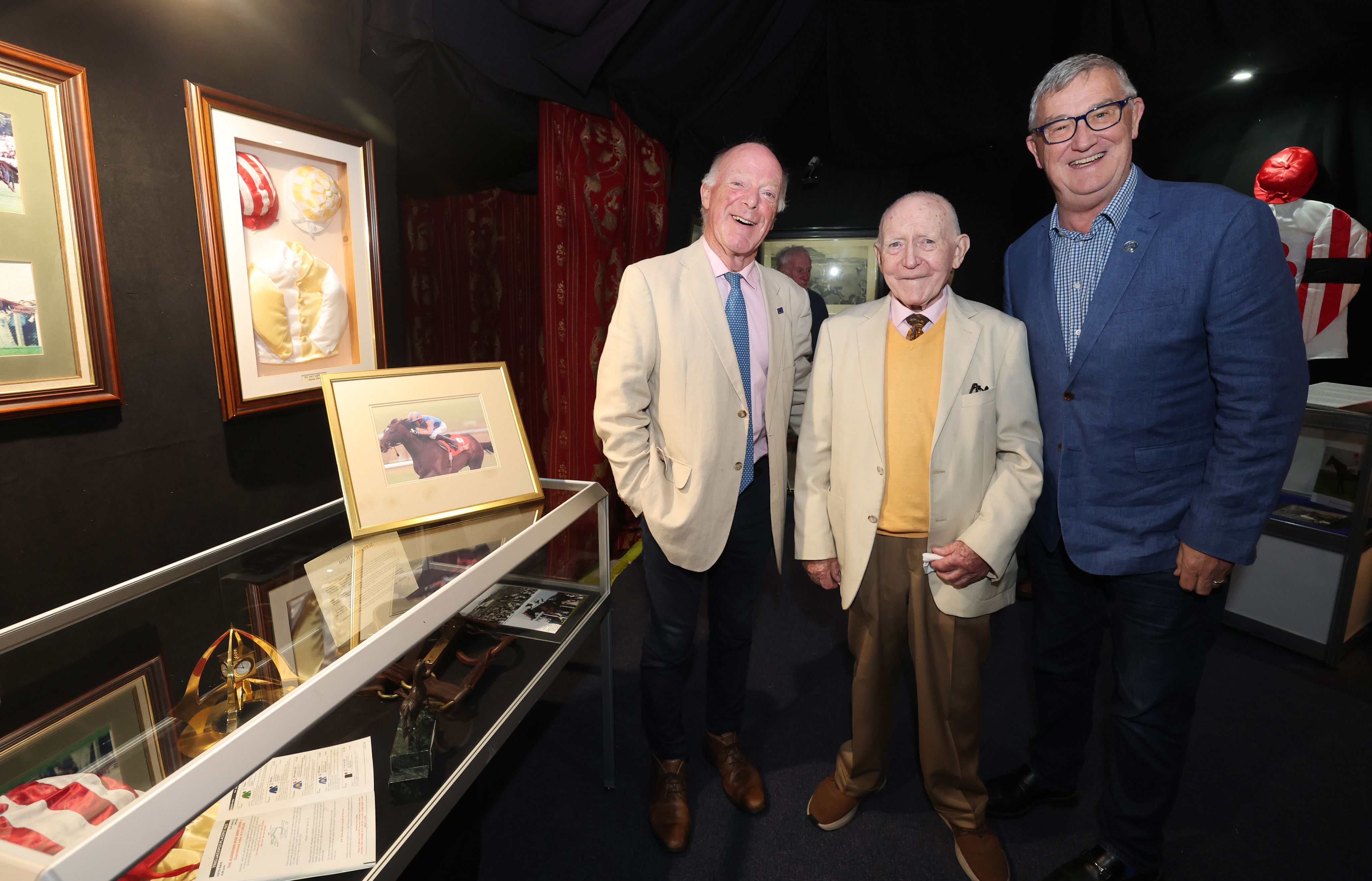
Memories of great days in the past came flooding back in the lead-up to the Irish Derby when Sean and Anne Coughlan were inducted into the Racing Legends Hall of Fame.
A small group gathered on Friday the 13th, lucky for some, to see the latest exhibition which was curated by former trainer and avid historian,
Jim Kavanagh.
I was thrilled to be included, though I cannot express my feelings at the moment when Cathal Beale, wearing yet another cap, threw me a curve ball on the day and asked me to interview Sean on the spot!
Thankfully, I am not shy, and even more thankfully, neither is Sean Coughlan. His story is a rags to riches one, some of which was caught in a lovely video put together by Robert Hall.
Hall’s eye and love for a good story shines through in all his work, and he told me he could have made a second feature about Coughlan’s rise from having nothing to being a leader in the construction business in Britain.
Always at his side was Anne, as she is today, and their love for Kildare, and their wish to give something back to it, was revealed at the gathering.
All of Coughlan’s racing memorabilia will be bequeathed to the Irish National Stud, and this is most apt. Sean’s first big winner was Indian Ridge, who later stood there.
He was trained by David Elsworth and gave the couple days to remember, notably at Royal Ascot. As a three-year-old
he won the Jersey Stakes, returning a year later to add the King’s Stand Stakes.
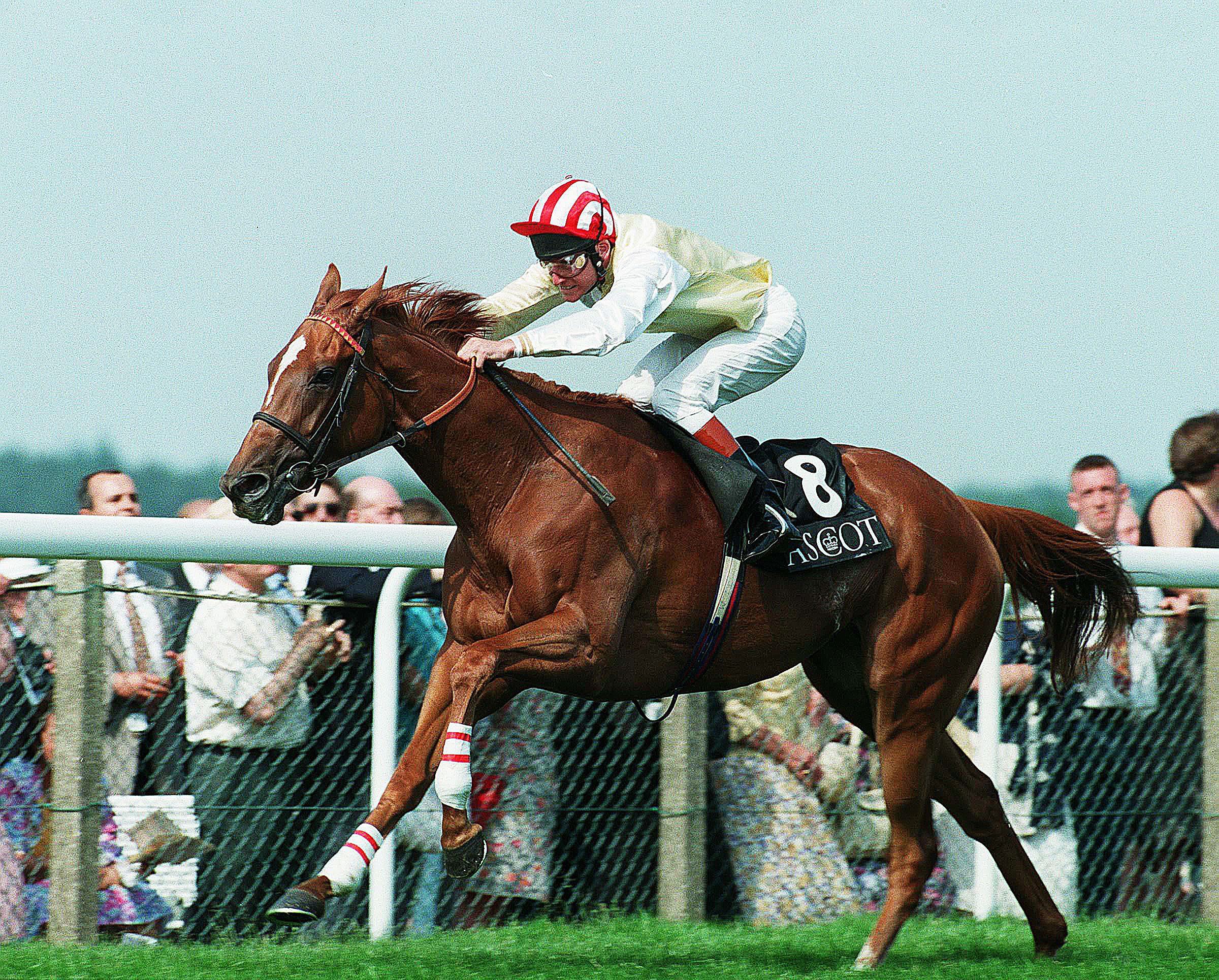
As great as this was, better was to come. Among Indian Ridge’s best runners was a filly, Ridgewood Pearl, trained by John Oxx for Anne in whose name she raced.
A European Horse of the Year and winner of a Cartier Award in 1995, she won at the highest level in four countries that year. She started her annus mirabilis with victory in the Irish 1,000 Guineas, followed up at Royal Ascot in the Coronation Stakes, and beat all-comers in the Prix du Moulin and the Breeders’ Cup Mile.
Coughlan’s name is one that will also be recorded as the breeder of the great High Chaparral.
Twice champion in the US, winner of the Derby at Epsom and the Irish equivalent at The Curragh, High Chaparral remains one of the best horses to ever come out of Ballydoyle.
The Racing Legends Hall of Fame has a temporary home in the old courthouse in Kildare town, and its existence is largely down to the tenacity and passion of Kavanagh.
A gentleman to his fingertips, his work, aided on this occasion by John Anderson, formerly of the Curragh Bloodstock Agency, is due greater regard and respect. Hopefully his labour will find a permanent home where it can be appreciated and viewed by a wider audience.
Sad loss of Jukebox Jury
That’s life, that’s what all the people say
You’re riding high in April, shot down in May
But I know I’m gonna change that tune
When I’m back on top, back on top in June
The words of this Frank Sinatra classic came to mind in recent weeks, concerning the Connolly family at Burgage Stud in County Carlow.
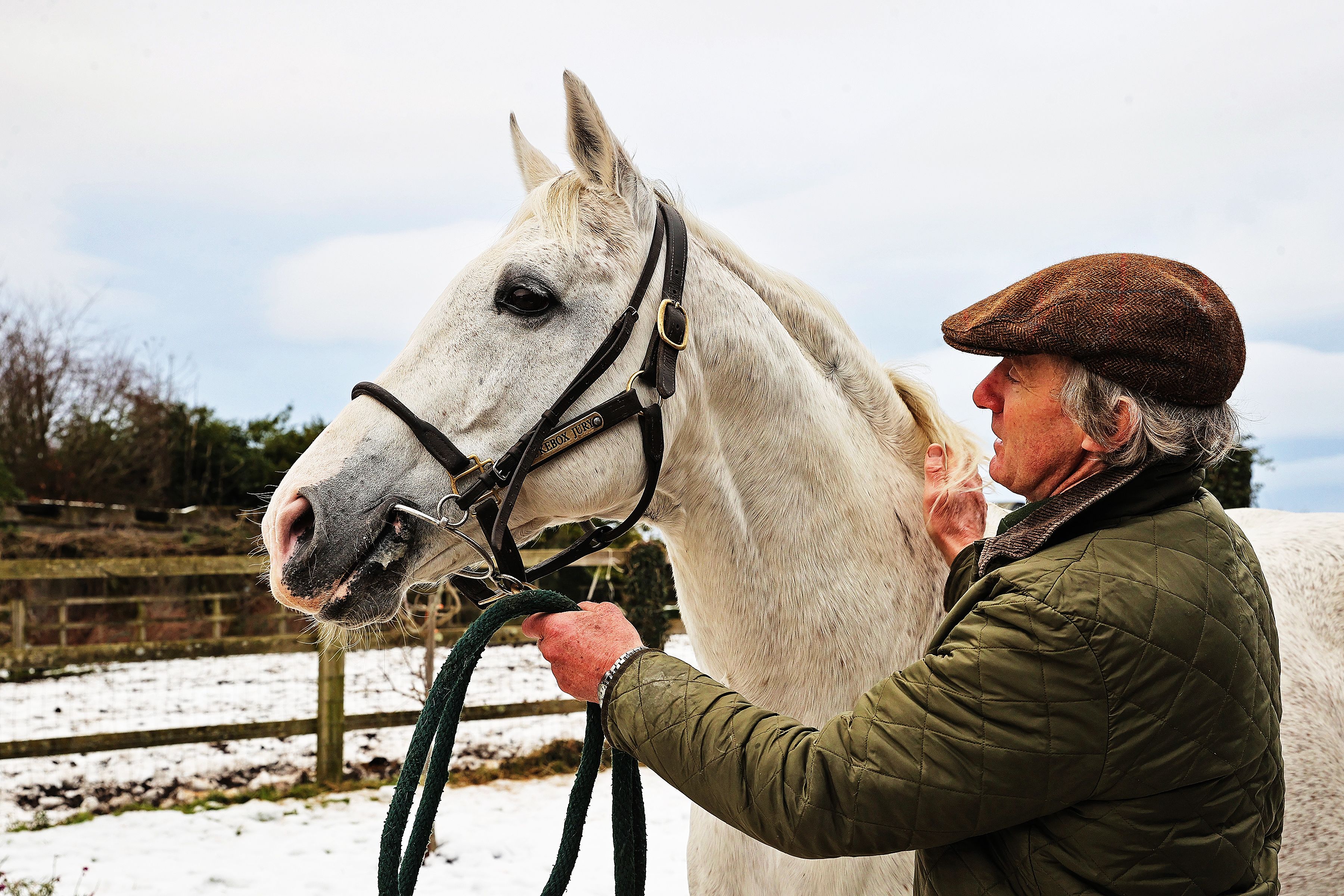
The stud is owned by Victor Connolly and his wife Liz Kent, and they suffered the heartbreak of losing Jukebox Jury to complications following colic. This news came just over a week after the couple’s son George was named as the top trainee among the latest batch of Godolphin Flying Start graduates, attaining a distinction.
The loss of Jukebox Jury, though he was 19, came after the stallion enjoyed his best-ever season.
Longevity seems to be par for the course with sires at Burgage Stud – think of Shantou who died at the age of 28, a year after his final year at stud. Connolly might well have dreamt of four or five more years with the horse.
What touched me about the death of Jukebox Jury was Connolly’s candidness about the emotions he felt to lose the stallion.
This is a business about making money, but it is one in which bonds between humans and horses, the depths of which cannot easily be understood by those outside the business.
Connolly’s words announcing the horse’s passing included the following: “Apart from his great ability as a top stallion, we shall all miss him terribly, as he was a kind horse, with a curious and intelligent nature.”

Irish National Stud course award winners
Irish National Stud course award winners
Irish National Stud course award winners
Irish National Stud course award winners
Irish National Stud course award winners
Irish National Stud course award winners
Irish National Stud course award winners
Irish National Stud course award winners
Irish National Stud course award winners
Irish National Stud course award winners

The Irish Derby
The Irish Derby
The Irish Derby
The Irish Derby

Ridgewood Pearl
Ridgewood Pearl
Ridgewood Pearl
Ridgewood Pearl
Ridgewood Pearl
Ridgewood Pearl

Sean Coughlan
Sean Coughlan
Sean Coughlan
Sean Coughlan

Jukebox Jury
Jukebox Jury
 Built with Shorthand