
Star stallions
in Germany
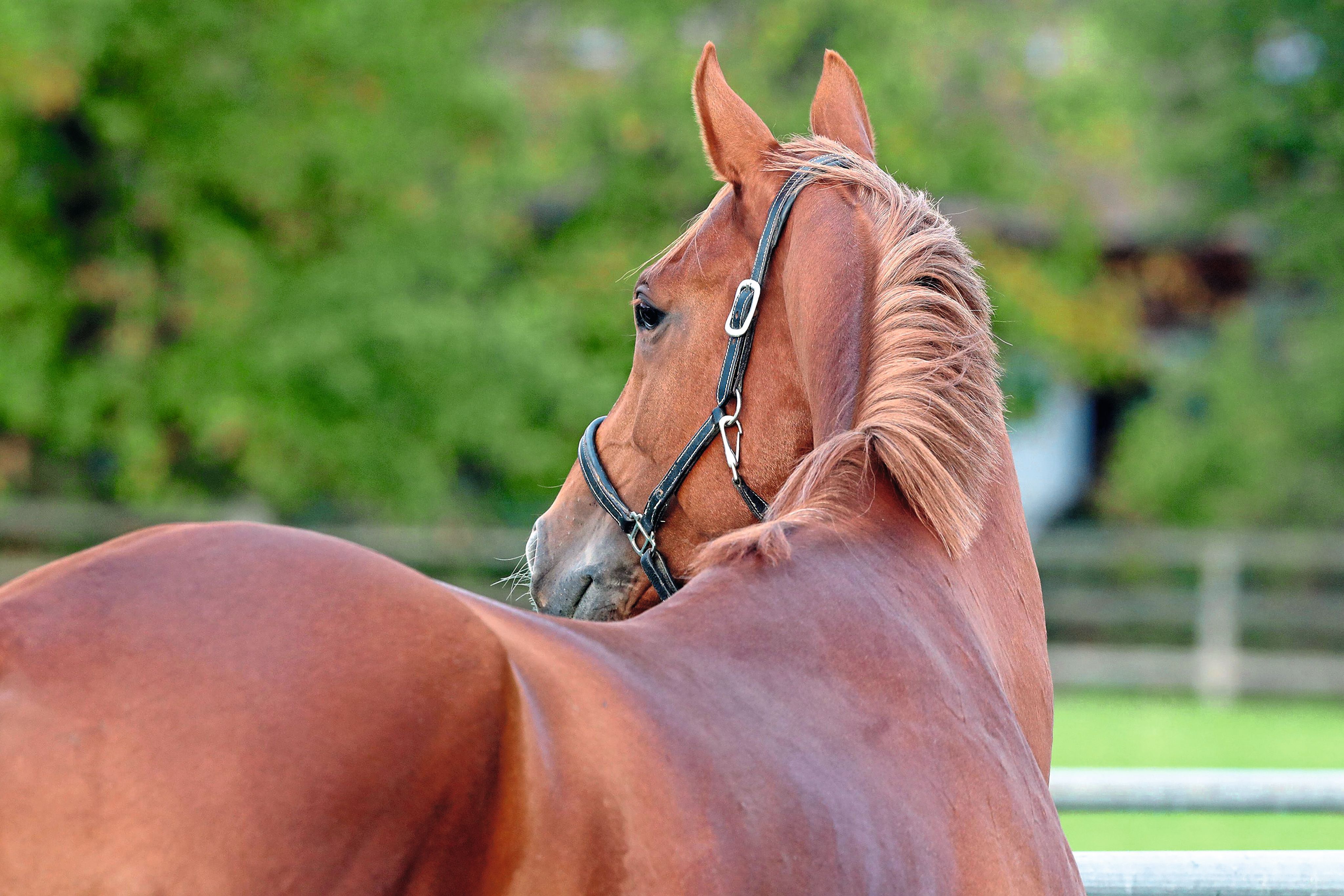

The Arc winner Torquator Tasso and the leading German two-year-old Rubaiyat have first-crop yearlings on offer this autumn, writes Catrin Nack for the Weatherbys Stallion Scene

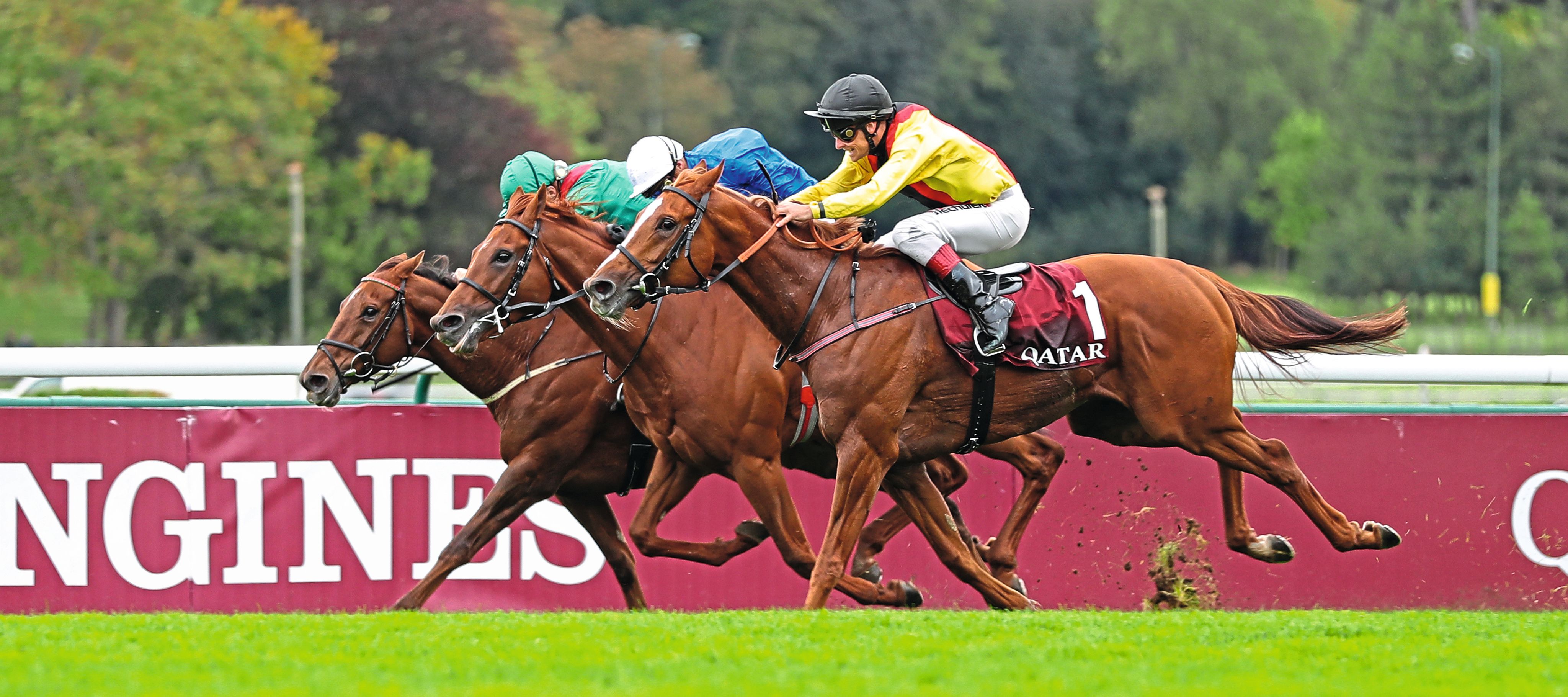
WHILE IT would exaggerate reality slightly to say all is rosy in Germany’s horseracing garden, the two stallions on the German roster with first-crop yearlings add a frission of excitement.
German foal crops are dwindling and, in an ever-increasing global market, size simply matters. Speed sells, and Germany’s traditional – if not to say old-fashioned – approach to breeding might look just that: outdated.
But every time one looks at the figures and wonders where the saviour is going to come from, up springs a dual Derby-placed Lazy Griff or a Geography to fly the flag for German breeding. The latter was slightly disappointing at Epsom´s Derby meeting but left that form well behind when fighting all the way to the line to finish second in the mile Prix Messidor (G3) at Chantilly.
Lazy Griff is a true product of German breeding, and was bought by bloodstock agent Jeremy Brummitt at his happy hunting ground, the BBAG September Sale.
The horse surely stands for all that is good in the German thoroughbred – his dam may carry a slightly unusual DEN suffix, but he was born and raised on German soil, his father a late son of Monsun. A Group winner at two, Lazy Griff has been unlucky to meet Lambourn in all his three races in 2025. One-sided those results may have been, but Lazy Griff showed true grit and determination; and running in the colours of Middleham Park Racing he has not done his popularity any harm. In fact, his is the type of story that keeps the dream of the “normal” people alive.
Both were sold as yearlings at the BBAG September Sale, Germany’s premier sale, the sale also having produced last year’s Sun Chariot Stakes (G1) winner Tamfana, who went on to run a fine race when third to Charyn and Facteur Cheval in last October’s Queen Elizabeth II Stakes.
This year’s sale is scheduled for the first Friday in September and, as usual, it will be flanked by racing.
There will be plenty of yearlings catalogued by local stalwarts such as Protectionist and Soldier Hollow and company, but two stallions will be represented by their debut crops.
The pair pick up where we started – one was a tip-top racehorse, unraced at two who went on to become one of the best – if not the best - German middle-distance horse of last decade; the other as early and as precocious a two-year-old as we have seen in Germany in a long time.
Both were born in 2017 and both raced until 2022.
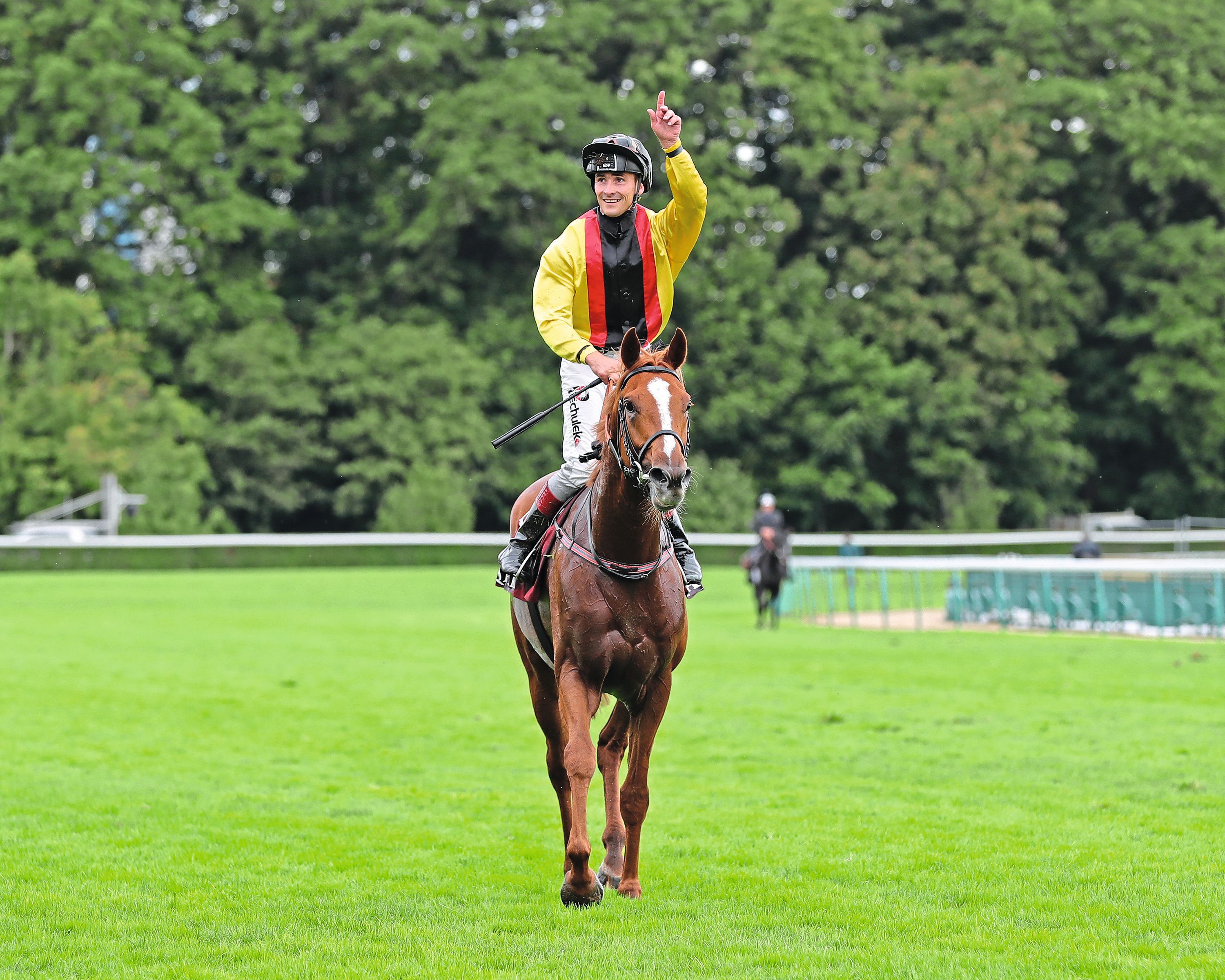
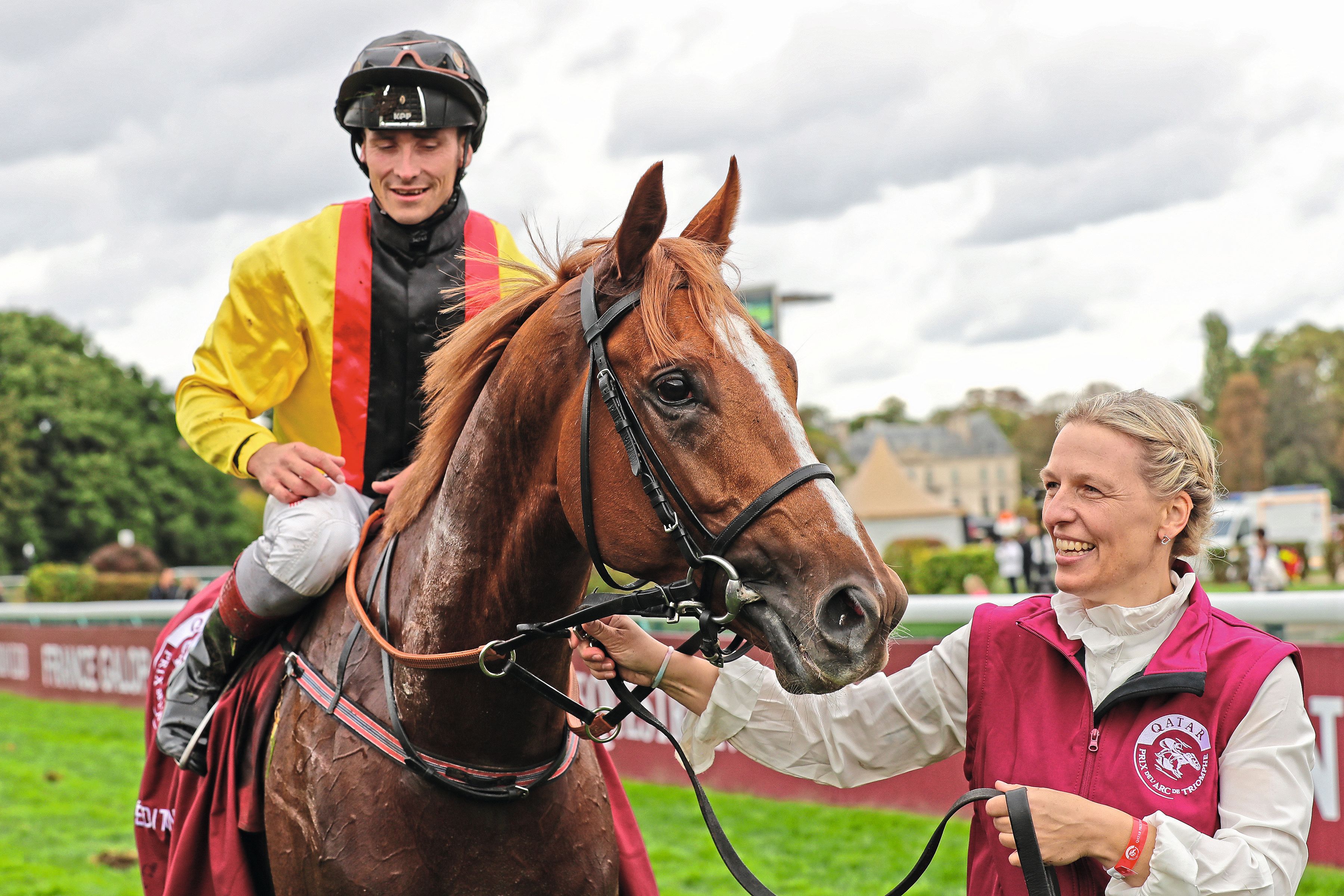
The most recent of Germany’s three Arc winners, Torquator Tasso, a son of the late Adlerflug, is clearly one of the best racehorses to retire to stud in Germany for many a season.
With the fabled blue hen Allegretta as his fourth dam, he couldn’t have written himself a more interesting stallion pedigree either.
“He won the Arc, was placed in another and was runner-up in a King George as well,” acknowledges Karl-Dieter Ellerbracke, who owned the horse in a partnership in training and now stands him at Gestüt Auenquelle, adding: “We had decent offers from abroad but our aim was always to strengthen German breeding.”
Auenquelle was founded in the early 1980s, and has a long tradition as a stallion farm, Steffen Jacoby is now its stud manager.
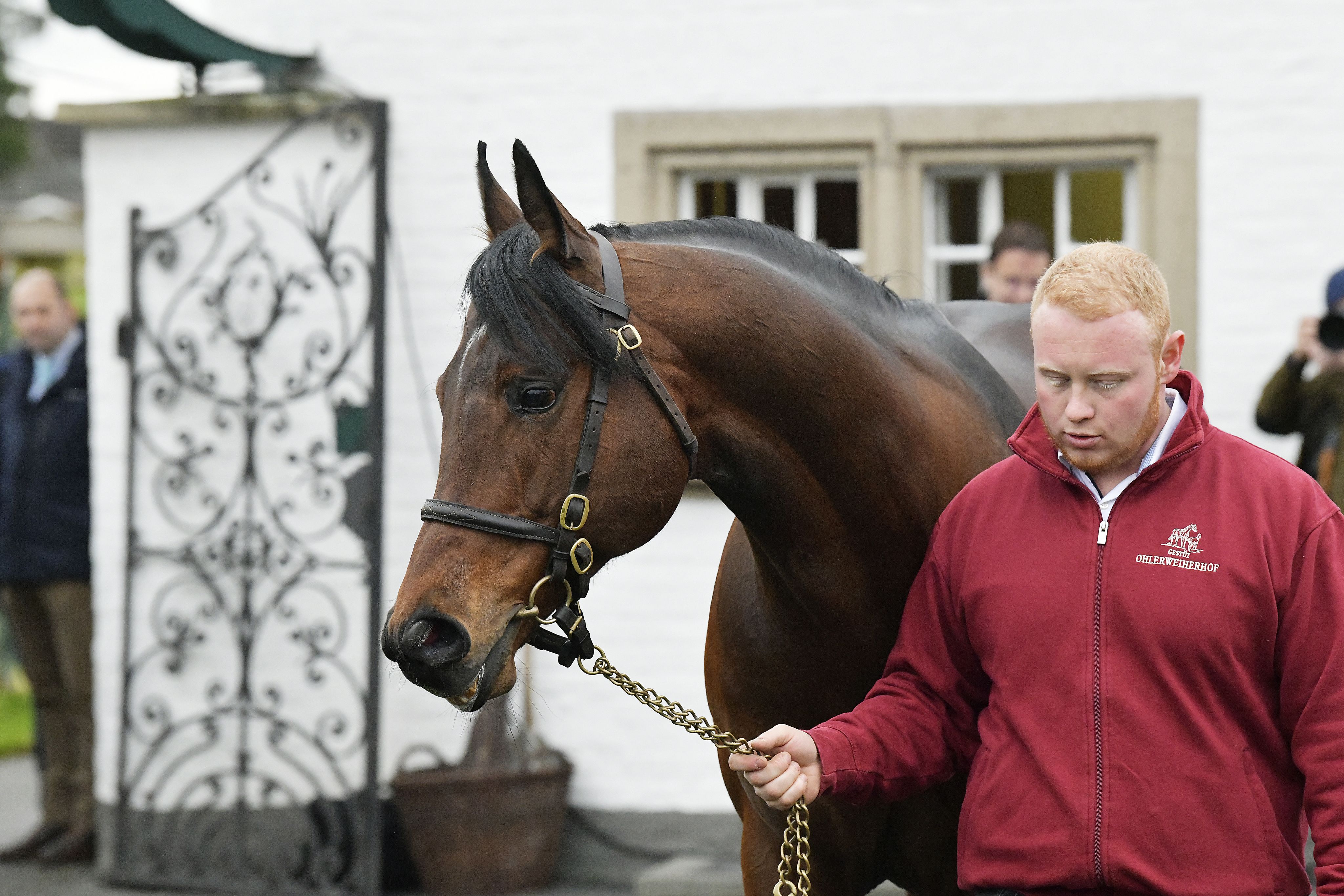
Torquator Tasso is now the sole stallion resident, but the farm’s own broodmare band of 30 has helped give him the numbers he needs to have an impact at stud.
Torquator Tasso is represented by 18 lots in the BBAG September Sale with six due to be consigned by Auenquelle.
“He was very popular from the start and many breeders who used him in his first season saw the foals and came right back,” says Ellerbracke.
“In fact, foreign breeders who saw his first foals at other studs were so impressed that they then sent their mares, too. He covered around 80 in his first season and was just as busy in the next two.
“He was your quintessential stayer with a great turn of foot, exactly what you want in a racehorse.
“He represents these traits in such an extraordinary way and convinces with his character and physique as well. He isn’t your typical Adlerflug, who can be a bit light in bone, but is simply a stunning-looking horse.
“His fertility has always been very good at 90 per cent. As a typical owner-breeder, we are going to support him in the racing yards as well.”
Auenquelle offers a half-brother to the Listed winner and one-time Deutsches Derby favourite Delgardo (Lot 68), as well as a strong-looking filly from one of Auenquelle’s long-standing families, the “Oriental” dam-line (Lot 41).
Turfwilli (Lot 53) comes from Auenquelle’s “T-line” of Turfdonna and Turfkönig; Tarkhan and Turf Sumy are black-type names further up the young colt’s pedigree.
Torquator Tasso was never syndicated, but eight breeding rights were sold before his second career commenced. Those rights enabled buyers to send six mares in his first four seasons at stud, with one cover every year after.
Thus, major German consignors such as Gestüt Brümmerhof, Wittekindshof and Fährhof are set to offer yearlings by Torquator Tasso.
Brümmerhof, always one of the leading consignors at the September Sale, offers three lots of which Aureus (Lot 63), from the family that brought the champion Aspectus, and Macaron (Lot 166), whose dam Marshmallow was a smashing racehorse and who has the Preis von Baden (G1) winner Mendocino close up, are of particular interest.
There are also two by the stallion catalogued for the Arqana August Sale.
Haras du Capucines offers a March-born filly (Lot 243) out of Seeyouinseptember (Siyouni), a daughter of the Listed two-year-old winner Sivoliere (Sea The Stars) and a grand-daughter of the Listed winner and Group 3-placed Sefroua. The filly’s fourth dam is the Group 1 winner Sophisticat.
Applewood Stud sends Lot 247, a filly out of the Holy Roman Emperor mare Serienheilige, the dam of the 2022-born Serienadler, a two-year-old Group 3-placed colt by Gleneagles from the family of the Group 1 winner Schnell Meister.
The Goffs Orby Sale also has a filly due to go through the ring from Kildaragh Stud (Lot 30).
She is out of the Arch mare Art Institute, the dam of two winners from three runners and a grand-daughter of the Prix Miesque (G3) winner Louvain, the dam of Flotilla, the French joint-champion two-year-old of 2012 and winner of the Poule d’Essai des Pouliches (G1) and the Breeders’ Cup Juvenile Fillies Turf (G1).

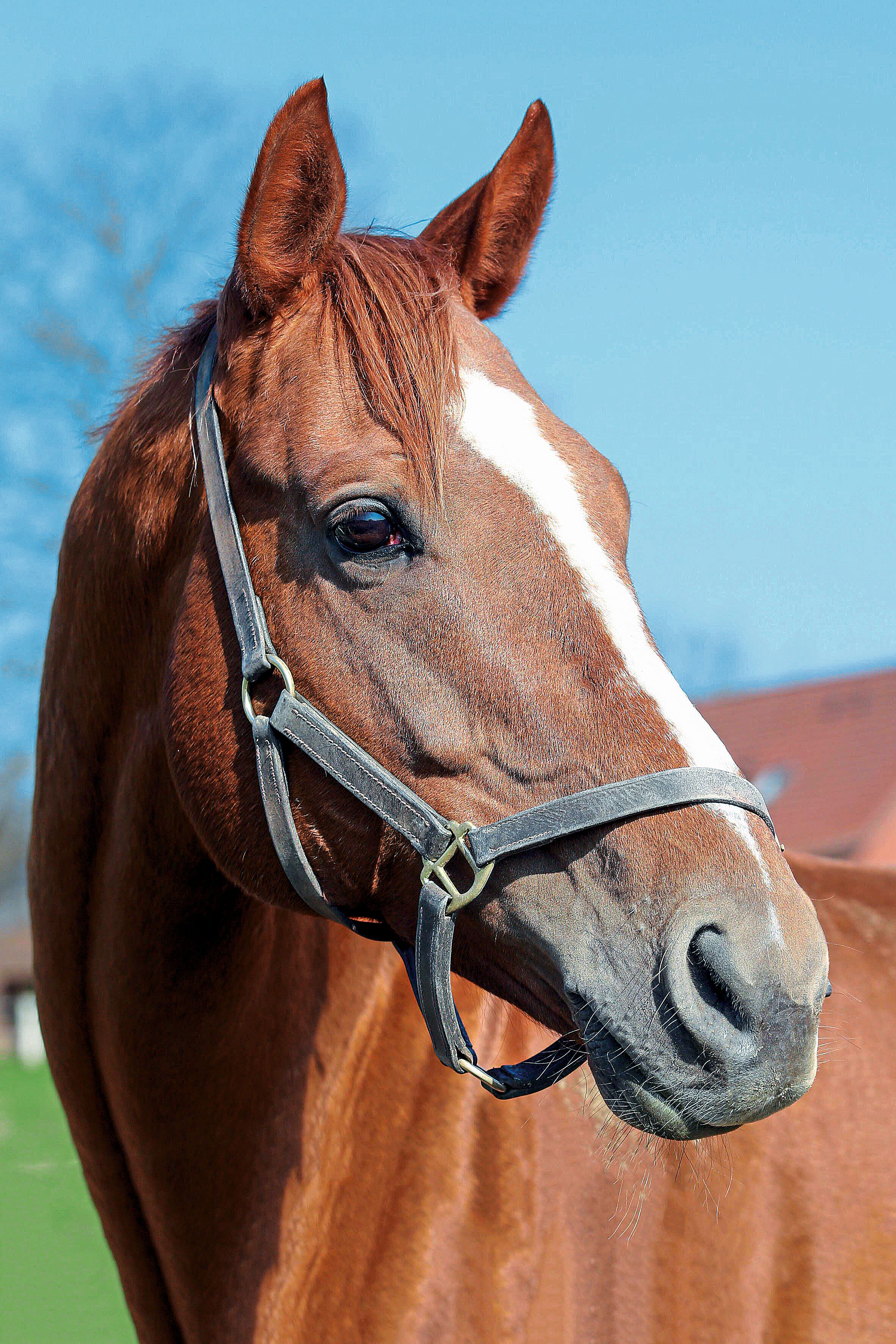

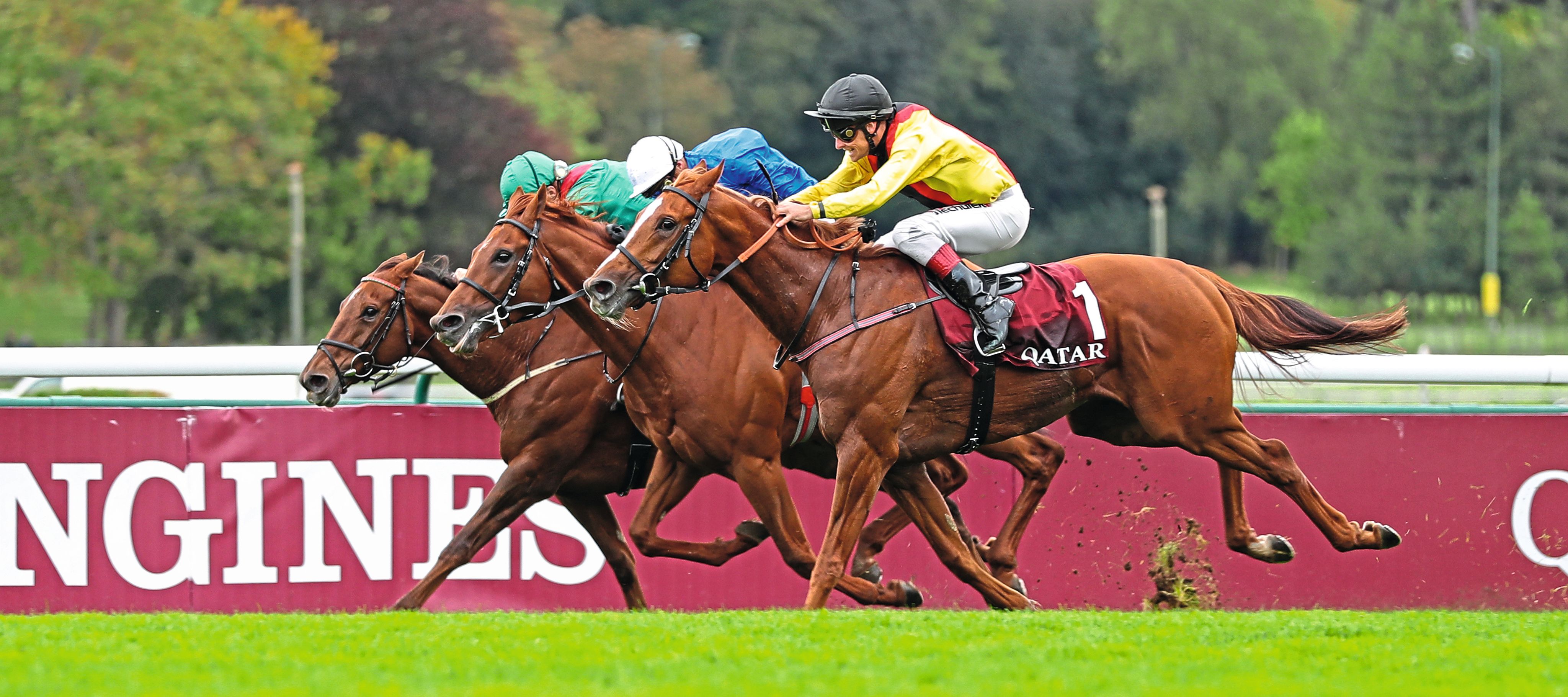



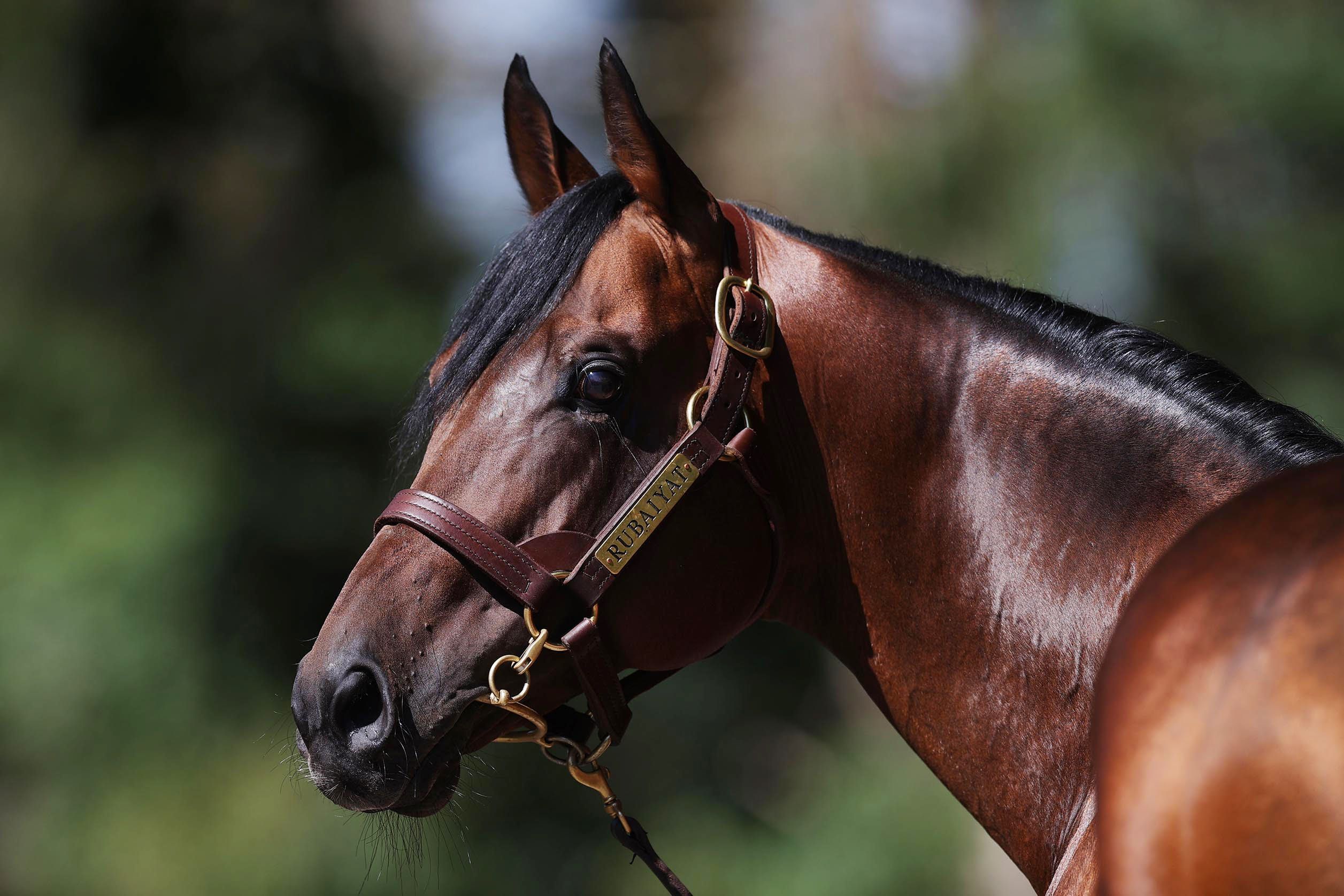
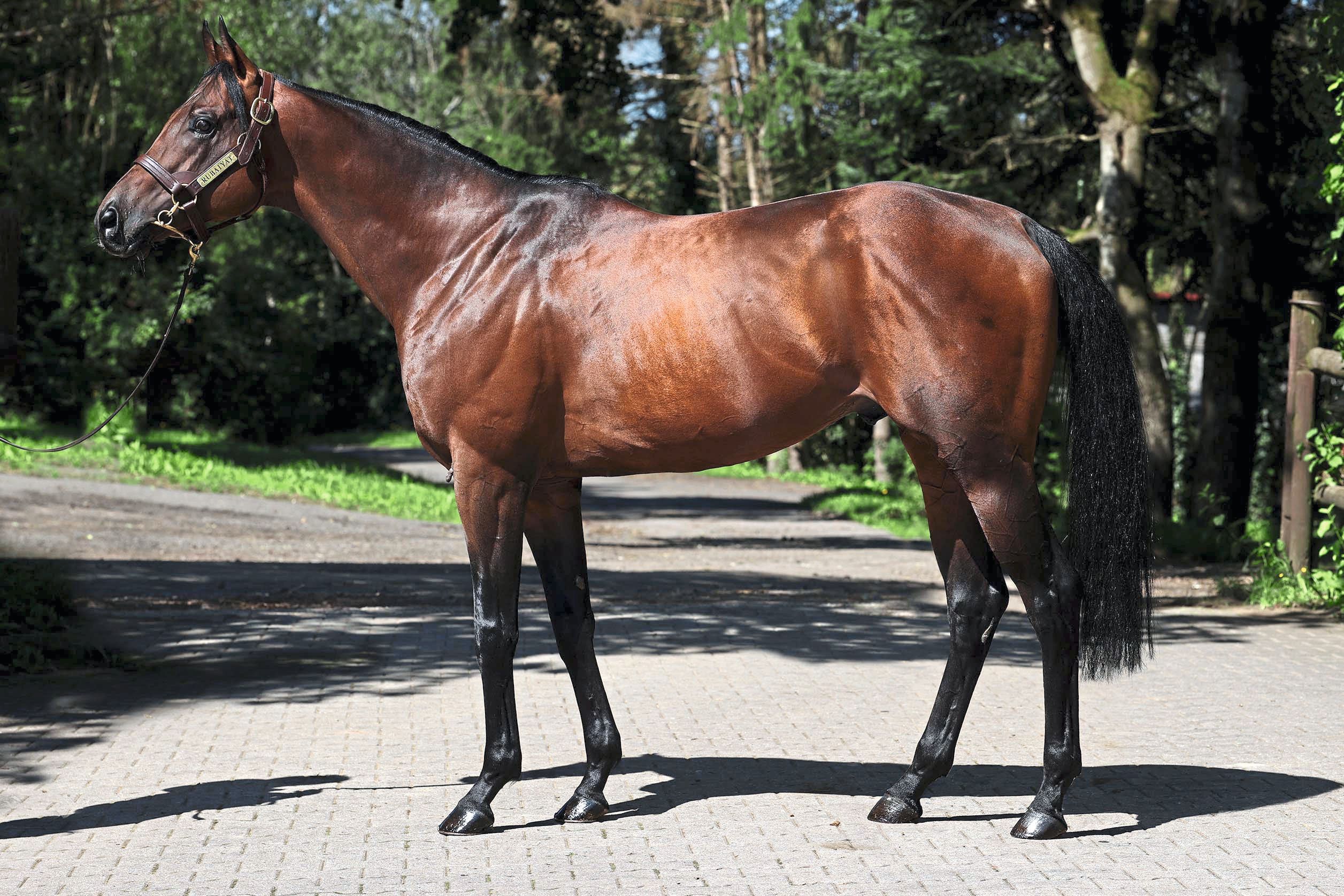
Two-year-old form represented by Rubaiyat
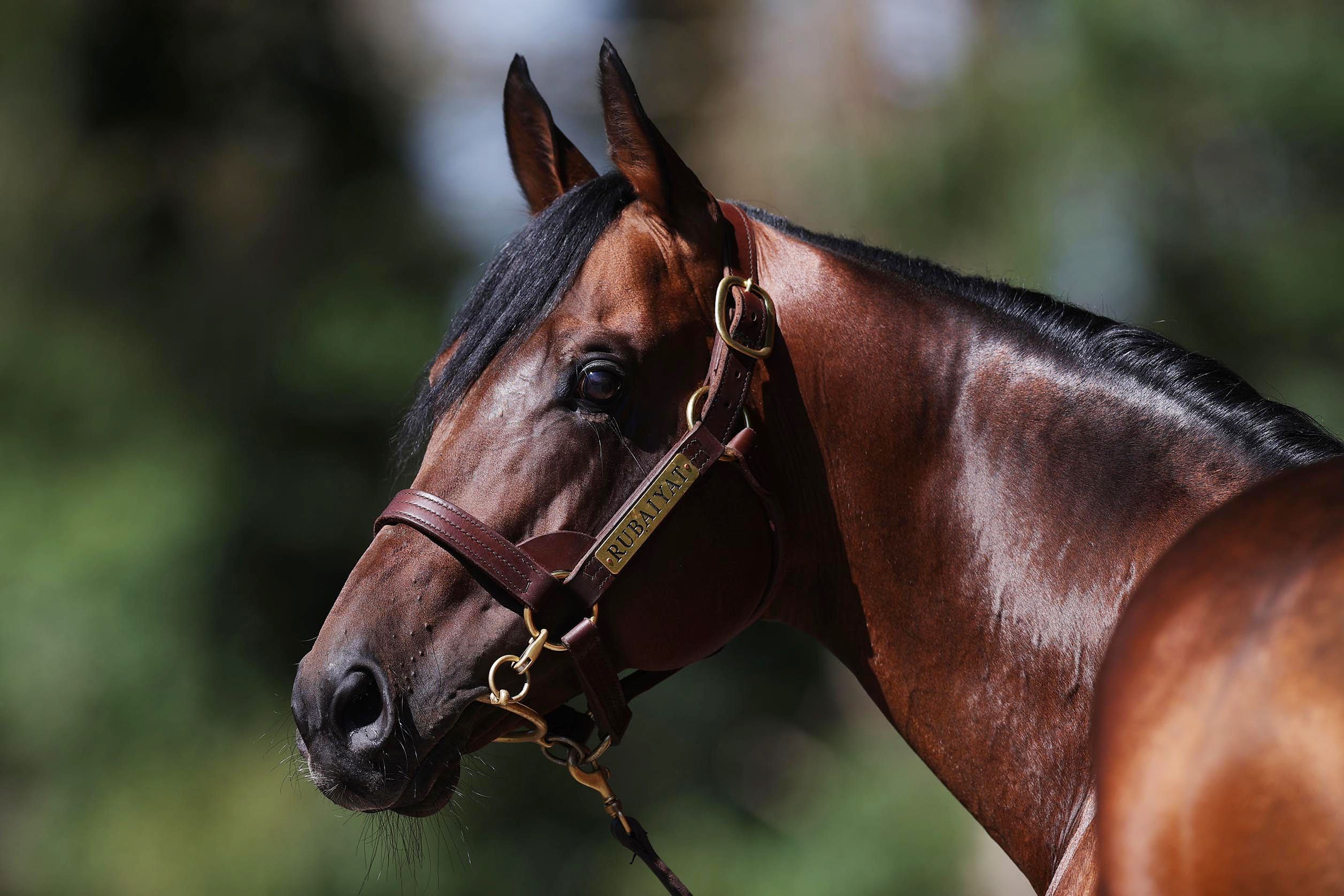
Rubaiyat, by Areion out of a mare by Lomitas, hails from the same sire’s crop as Alson, who is represented by his first two-year-olds this season. Both were precocious juveniles, by German standards, at least.
In Germany, two-year-old racing starts at the end of May; Rubaiyat kicked off his campaign in August and stormed through the year unbeaten, his victories including the Group 3 Preis der Winterfavoriten and the Group 2 Premio Gran Criterium.
At three, he stretched his unbeaten run, and then went on to be placed in the Mehl-Mulhens-Rennen (G2) and the Premio Parioli (G3).
A true globetrotter, he was just shy of top-class, but he was hardy and willing, and a fighter.
“He was one of the top five two-year-olds of the last 20 years or so,” says Holger Faust of Gestüt Karlshof and who has been involved with the horse throughout his career.
“He had class and he was tough – for instance, he ran in the Italian Guineas just two weeks after the German, and he raced for four seasons.
“And don’t forget he was also Horse of the Year as a two-year-old in Germany! I have no doubt he is going to make his way as a stallion”
Faust’s family bred and consigned Rubaiyat; Faust went on to manage him as racehorse for owner Darius Racing and he is now a part-owner now the horse is in the stallion ranks.
“I think he is a natural heir to Areion, from the dominant Big Shuffle sire line, and we need this sort of speed and precocity in Germany,” reports Faust.
“Rubaiyat covered 46 mares in his first year, and interest in him hasn’t dwindled. Karlshof has sent him more mares every year, that’s how happy we are with his foals.
“He was effective up to a mile, but I have no doubt his offspring may well get 1m2f at least, as he was Group-placed over 2000m.
“He got quality mares with some staying blood, and hopefully he can add his precocity.”
Gestüt Karlshof offers two fillies (Lot 81 and Lot 194) from interesting black-type producing families – ignore them at your peril! ■


 Built with Shorthand