
Weatherbys Stallion Scene
Toronado at home at Swettenham
We chat with Adam Sangster about Toronado, who is set to achieve
his best progeny prize-money earnings so far in an Australian season,
and Al Shaqab's young shuttle stallion Wooded

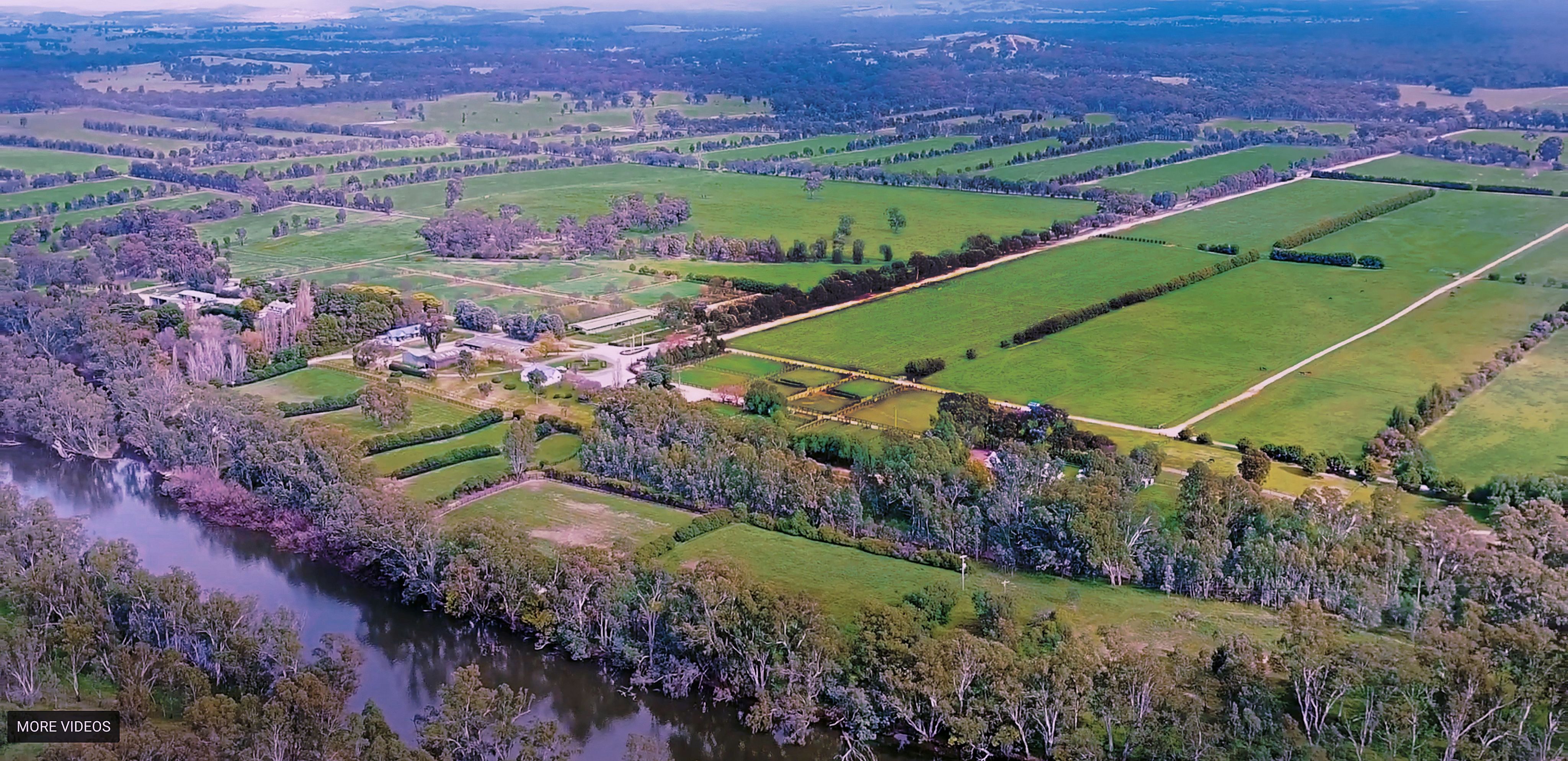
Sliding Doors moments. Split seconds that differentiate the course of history, personal or global. Adam Sangster has experienced a couple of those in his role as principal of Swettenham Stud. Two decades ago Coolmore offered him the opportunity to stand High Chaparral at the Victoria farm when the organisation decided that its Derby and Breeders’ Cup Turf hero should shuttle to the southern-hemisphere.
Sangster completed his due diligence, questioning his Australian breeders in order to elicit the level of interest and support that there would be among his clients for a middle-distance star by Sadler’s Wells. His enquiries made the decision for him, and although he would have loved the opportunity to stand a brilliant son of the iconic horse bred by his father, the breeders spoke and declined.
So, instead, High Chaparral began his southern-hemisphere career in New Zealand at Windsor Park Stud where he sired the dual hemisphere champion and leading sire So You Think, as well as the Australian Derby and multiple Group 1 winners Dundeel and Shoot Out amongst others before transferring to stand in Australia at Coolmore’s base at Jerry Plains.
When, a decade later, the opportunity to stand a top-class son of High Chaparral arose Sangster, who had watched High Chaparral’s career and that of So You Think with fondness, outlines: “When John Warren and Harry Herbert were working with Al Shaqab, they came down here and I was chasing Olympic Glory as well and, it just shows you that you need a bit of luck, they said that he was not possible, but we’ll give you Toronado. I was delighted – Toronado was a champion miler.

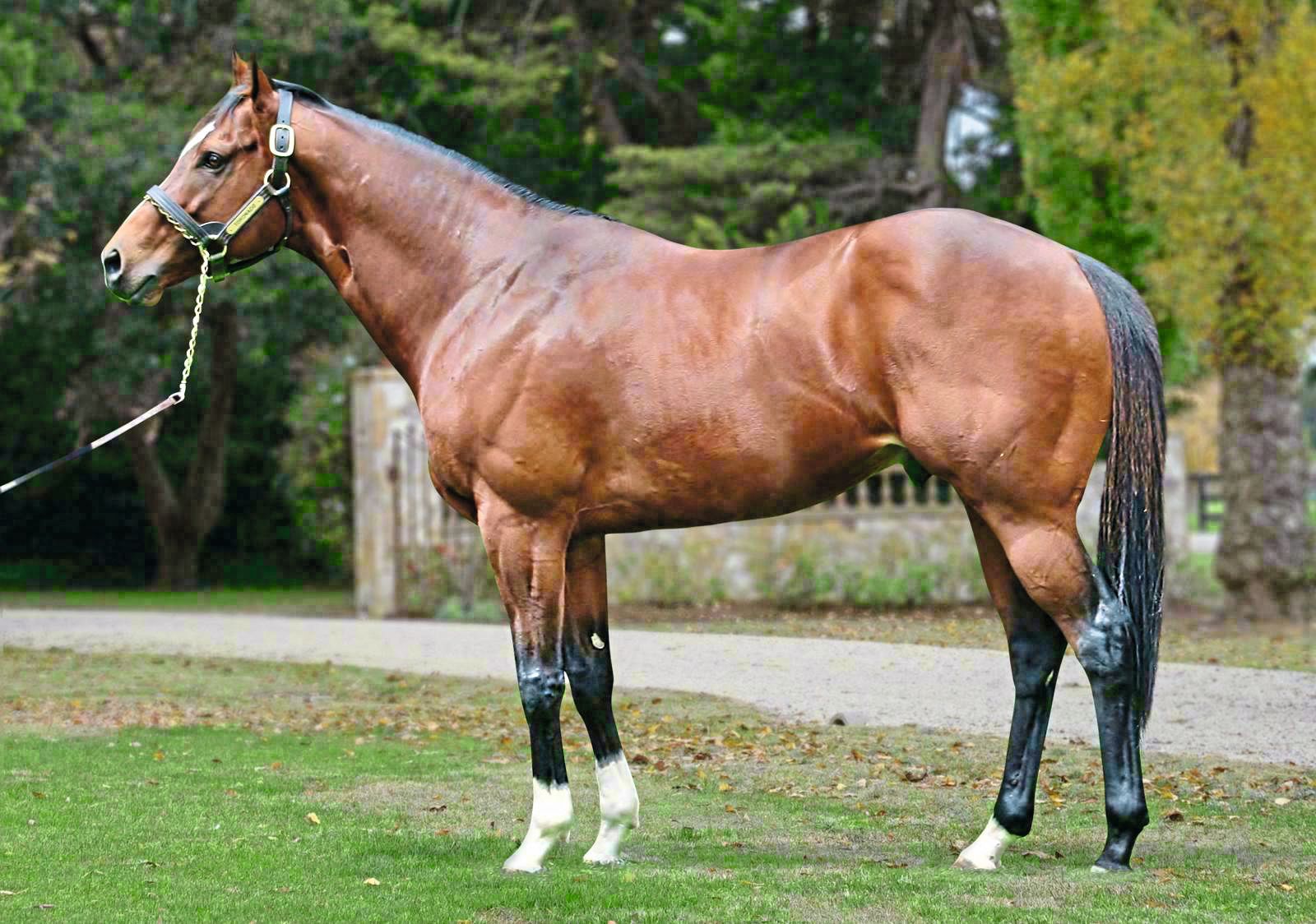
Toronado
Toronado
“Twenty years ago, we didn’t take High Chaparral – I took Hold That Tiger instead and it just shows you that sometimes opportunity knocks and you don’t answer! This subsequent chance to stand a son of High Chaparral in Toronado was a fortuitous event and a game changer for me.”
The logic in standing Hold That Tiger was sound – a European champion two-year-old and a son of Storm Cat he seemed the perfect fit for Australia. However, while High Chaparral flourished, Hold That Tiger faded into obscurity.
But, as Sangster goes on to further reflect, some things are meant to be.
“High Chaparral went to New Zealand instead and, if he hadn’t, we would never have got So You Think, who was a
ten-time Group 1 winner and is an excellent sire in Australia.”

THIS TIME around, Toronado has dazzled under the Southern Cross, so much so that he no longer returns to Al Shaqab’s Haras de Bouquetot for the northern-hemisphere season.
“I have good pedigree guys who said the pool of mares in Australia would suit Toronado well, being mainly Danehill mares and Green Desert mares, who seem to work very well with him,” says Sangster, adding: “They did, and I bred a Group 1 winner in his first crop.”
That top level performer was the Galaxy winner Mariamia, who was sold by Swettenham for just A$18,000 as a yearling at the 2017 Inglis Premier Sale, but went on to top last year’s Day 2 of the Magic Millions National Broodmare Sale when making A$1.8m.
Her 2023 Galaxy victory was the second successive win in the race for progeny of Toronado following that of Shelby Sixtysix in the five-and-a-half furlong race in 2022 – and the pair are two of the six top-level winners the Queen Anne and Sussex Stakes victor has sired in the US, Hong Kong and Australia.

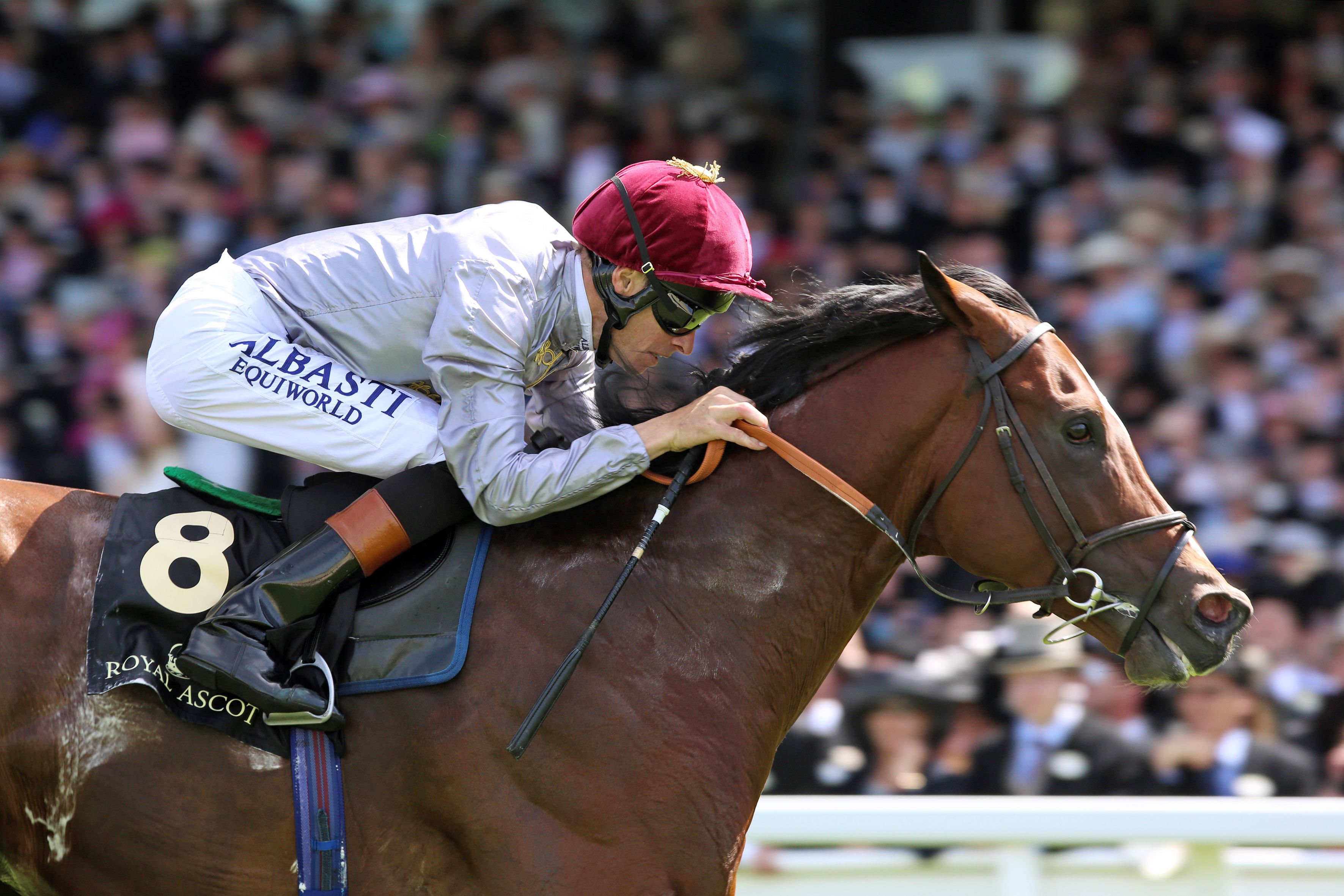
Toronado winning the Queen Anne Stakes (G1)
Toronado winning the Queen Anne Stakes (G1)
As Al Shaqab does not have a large presence in the southern-hemisphere, Sangster knew he would have to put the heft of Swettenham behind Toronado if the stallion was to have a chance of emulating his sire and succeed in Australia.
“I knew I had to get behind this stallion so I went out and bought a significant number of mares to make sure that his numbers would be high in that first year, because that is so important,” he says.
Toronado’s fee for this year’s upcoming covering season has been set at A$88,000 (inc GST), which is four times the price at which he was introduced to Australia breeders in 2015.
With the recent success of Helios Express and Victor The Winner in Hong Kong, Toronado’s star is burning bright. In the sale ring, he sired his first
million dollar yearling this spring when
Gilgai Farm, breeder of Group 1 winner Masked Crusader, sold a colt at Inglis Premier to Andrew Williams Bloodstock and Hong Kong Bloodstock for exactly that figure.
“He threw a great foal which subsequently turned into a great yearling,” says Sangster.
This year’s yearlings are the stallion’s most expensively bred to date at a fee of A$80,000, while this season’s current two-year-olds were bred at a fee of A$45,000, his previous highest price.
Sangster attributes Toronado’s success to a number of factors.
“Richard Hannon trained the horse and every time I see him he asks, ‘How’s superman getting on?’ Toronado has that muscle definition and when breeders see him they love him,” he smiles.
“In his first crop he got a really good sprinter called Prince Of Sussex,
who won the million dollar two-year-old race [Vobis Showdown].
“That horse went to Hong Kong and was renamed Lucky Express and
trainer John Size won races with him, so it meant that the Hong Kong market really focused in on Toronado.
“Rick Jamieson [Gilgai Farm] who bred Black Caviar amongst others, really supports Toronado and he was duly rewarded in the Melbourne sale here where he sold that top yearling. He had four or five Toronados and they all went to Hong Kong.”
While other stud owners may be concerned that their star stallion’s prospects of siring an heir are limited because of the proliferation of geldings with so much success in Hong Kong, Sangster is not worried. Toronado is still only 15 and Australian owners are as much in the market for him as those overseas.
“The colts are so well sought after,” he says. “People do say to me it is a bit of a shame that they go to Hong Kong, but people have made good money on Toronados in Australia because they have traded the colts and geldings up there.
“He is only going to get better, he is a lovely horse,” Sangster remarks and with an eye on the future says, “He has the right sort of mares, the right mixture and he is at A$80,000 now.”
THE SUCCESS of Toronado cemented the relationship between Al Shaqab and Swettenham Stud, and when the decision was taken to shuttle the Prix de l’Abbaye (G1) victor Wooded, the Victoria farm was always going to be the destination for the Qatar operation’s Group 1-winning sprinter, who is by the biggest stallion star in the galaxy right now.
“Wootton Bassett was sold to Coolmore so Al Shaqab retired Wooded at the end of his three-year-old season to get a good start,” Sangster says of his shuttle stallion. “He has that lovely pedigree, his full-brother [Bucanero Fuerte] is a Group 1 winner and his half-sister by Dubawi was sold for €2,400,000, and he has been well-supported down here.”
With two Classic winners from the first Coolmore-bred crop of Wootton Bassett, half of the astonishing four juvenile Group 1 winners from that debut Irish crop, the current support and momentum behind the Iffraaj stallion is strong in Europe and Australasia.
“Coolmore has really got behind Wootton Bassett and we have the only sprinting son of his standing at Swettenham, and it is thanks to Al Shaqab,” Sangster expresses his gratitude for the partnership with Sheikh Joaan’s breeding operation.
Wooded’s first French-bred crop are three-year-olds and the best is Woodshauna, who emulated his sire by winning the Group 3 Prix Texanita.
Sangster says of Wooded’s Swettenham yearlings: “His first crop here are turning two on August 1. His yearlings have sold really well, hopefully we are ahead of the curve a little bit. We have supported him strongly and some of my yearlings have sold very well to some good judges.”
Wooded’s average at the southern-hemisphere yearling sales was A$66,035, three times his covering fee, which has been set at A$16,500 (inc GST) for the upcoming breeding season.

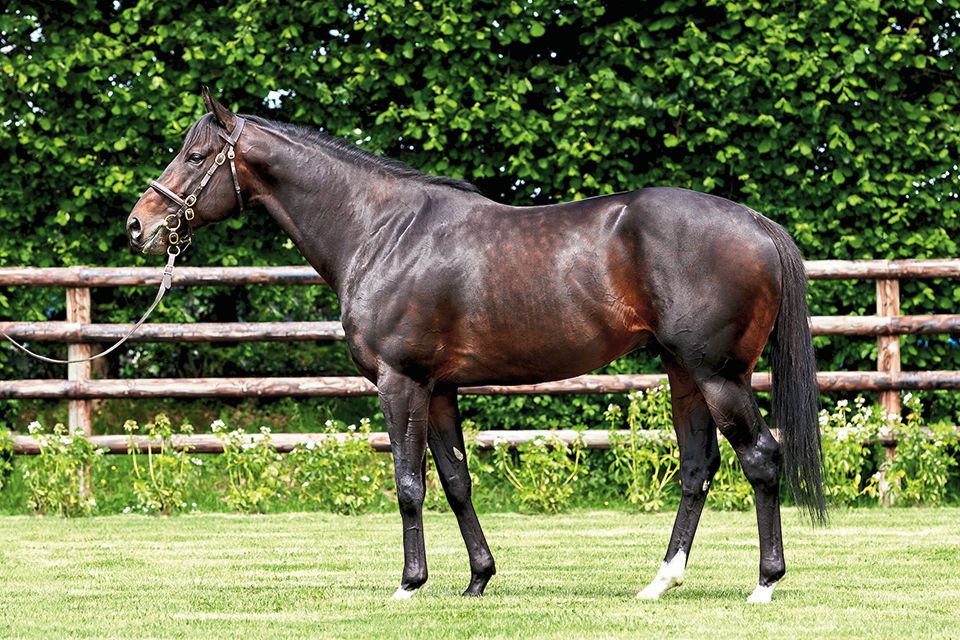
Wooded in France
Wooded in France
Swettenham Stud has been in its current location of Nagambie for
30 years with Adam Sangster its sole owner for 21 years.
His experiences, his enthusiasm and his passion remain as animating as ever, but he is concerned for the future of the industry despite how buoyant
and resilient; it appears at the highest levels.
As in Europe and North America, the dictates of fashion seem to hold sway over so much beyond the breeders’ control.
“We feel the market here still offers good opportunities but the costs of breeding have gone up,” he outlines.
“It’s an expensive business, it costs around A$40,000 without the stallion fee just to get to the yearling stage so you need to get a return in the sales ring, and you need the sales companies to respect your stallions as well,
so that breeders can get their horses into the sales.”
To that end, Swettenham rolled out its Breeder Protection Initiative for this season as a way of offering something of an insurance policy for smaller breeders in particular.
“It’s something we do because the stallions we have are owned by people
who understand the industry and how hard it is, especially if you lose a foal,” he explains.
“In the past we have offered free returns if someone loses a foal, but we have never put that down on paper.
“Some friends and clients suggested that we should push that out because other farms don’t do it.
“It’s protecting the breeder because they know if they have a compromised foal, if they paid the service fee, they can come back and try again. It has been a really good tool for us.”
He adds: “We understand how hard it is for breeders to make a dollar.”
The success of racing in Australia, that appears to permeate society
more than in Europe, is often quoted and much is attributed to the
syndication model of ownership; it has given the opportunity to those with a passion for the sport to become involved.
Sangster offers statistics that illustrate that cultural acceptance with one in 191 people in Australia owning a share in a racehorse, and that is a model he would like to see expanded to the breeding industry.
“People looking to breed would like to get involved in these top-end mares and race fillies off the track, but they are too expensive at the moment.
“If you pool together in a syndicate or even micro shares it could be the way to get involved in a top-class race filly.
“It could be a great opportunity to understand how the breeding game goes without putting all your eggs in one basket.”
As is making the decision whether or not to stand a stallion.
Sliding Doors. moments that can lead in any direction.

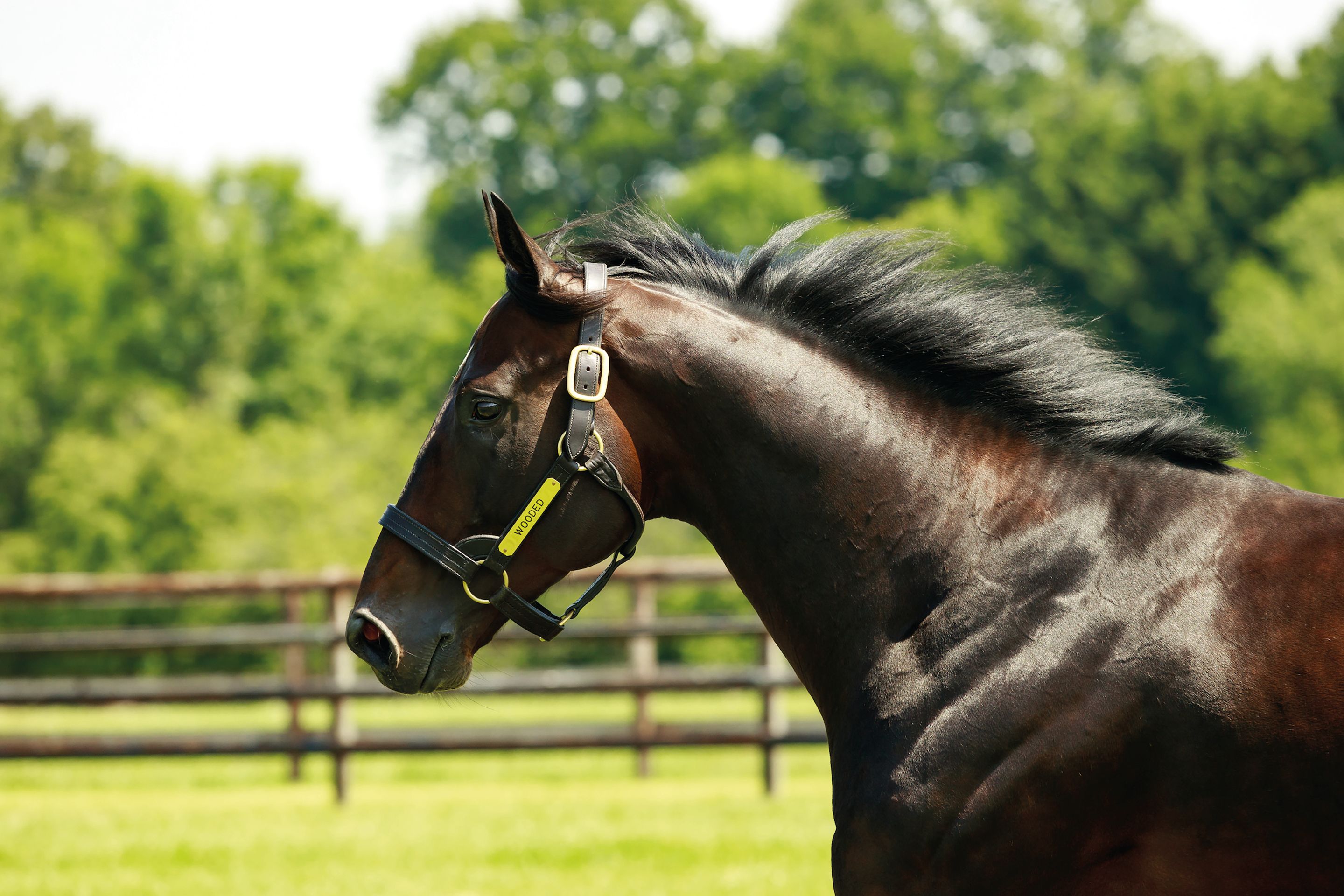
Wooded
Wooded
 Built with Shorthand